

The Largest Oil Rigs and How They Work
The oil and gas industry relies on some of the world’s largest engineering structures to explore and produce energy from beneath the ocean floor. These massive offshore oil rigs are built to withstand harsh weather, powerful waves, and extreme operating conditions while extracting valuable oil and natural gas.
Understanding the largest oil rigs and how they work provides valuable insight into the technology, engineering, and processes that keep the global energy industry moving. In this guide, we’ll explore the different types of large oil rigs, their major components, and how they safely operate in deepwater environments.
What Is an Oil Rig?
An oil rig is a large structure designed to drill wells beneath the Earth’s surface and extract crude oil or natural gas. Offshore oil rigs are installed in oceans, seas, and deepwater locations where energy reserves cannot be accessed from land.
Modern offshore rigs combine advanced drilling equipment, safety systems, living quarters, power generation, and automated technologies into one highly efficient platform.
The Largest Types of Offshore Oil Rigs
Different offshore environments require different rig designs. The largest oil rigs are engineered for specific water depths and drilling conditions.
Jack-Up Rigs
Jack-up rigs have movable legs that extend to the seabed, lifting the platform above the water. They are commonly used in shallow offshore waters and provide excellent stability during drilling operations.
These rigs are ideal for exploration and development projects in relatively calm conditions.
Semi-Submersible Rigs
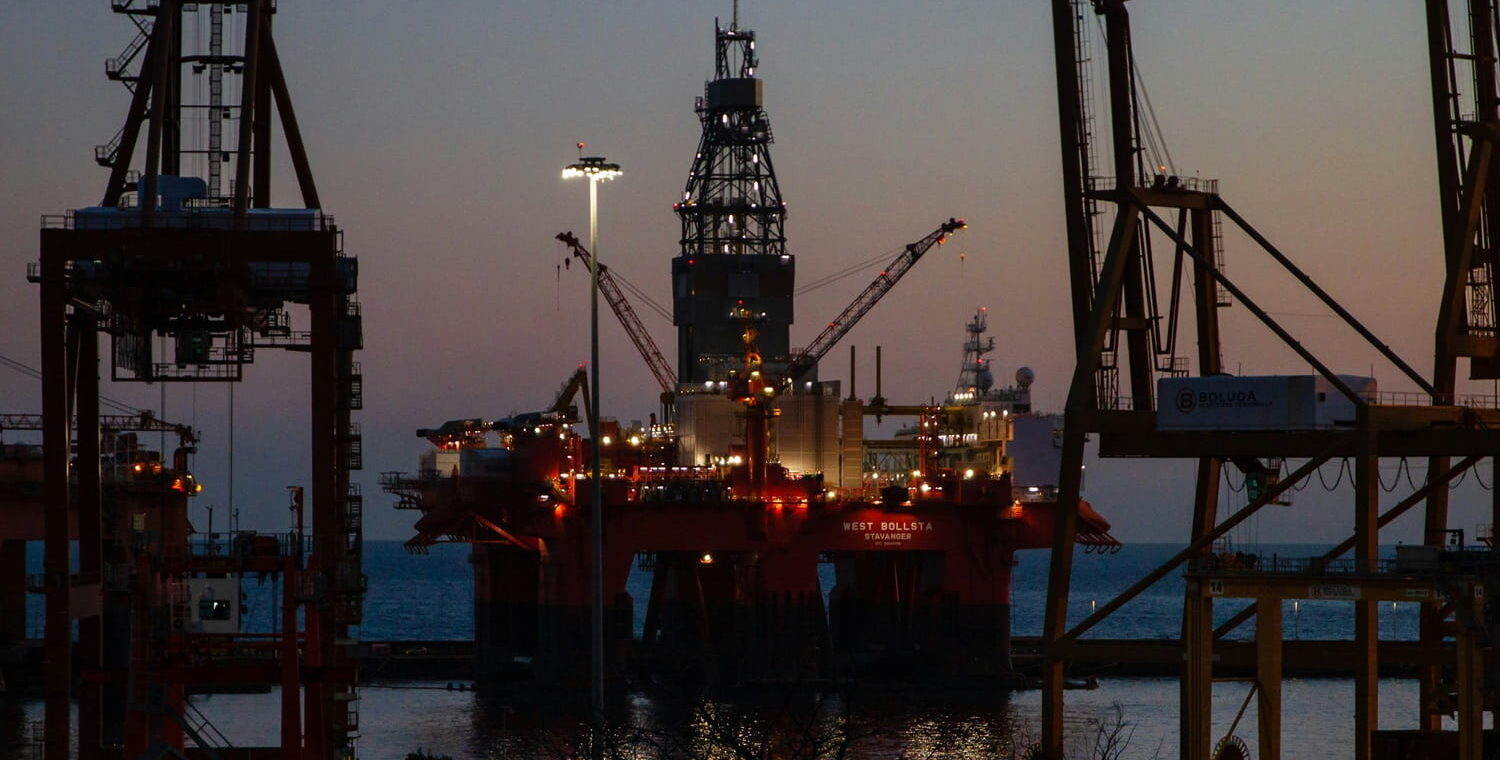
Semi-submersible rigs float on submerged pontoons while remaining anchored or dynamically positioned. Their design minimizes movement caused by waves, making them suitable for deepwater drilling.
These rigs are among the most commonly used platforms for offshore exploration.
Drillships
Drillships are specialized vessels equipped with advanced drilling systems. Using dynamic positioning technology, they maintain their location without anchors, even in ultra-deepwater environments.
They offer exceptional mobility, allowing operators to move quickly between drilling locations.
Fixed Production Platforms
Fixed platforms are permanently installed on the seabed and are designed for long-term oil and gas production. Many of the world’s largest offshore facilities fall into this category because they support continuous production for decades.
Main Components of a Large Oil Rig
Every offshore drilling rig contains several critical systems that work together throughout the drilling process.
Drilling System
The drilling system includes the derrick, drill string, rotary equipment, and drill bit. These components work together to drill through layers of rock until the targeted oil or gas reservoir is reached.
Power Generation
Large diesel generators or gas-powered turbines provide electricity for drilling equipment, lighting, pumps, communication systems, and living facilities.
Mud Circulation System
Drilling mud plays a vital role by cooling the drill bit, removing rock cuttings, balancing underground pressure, and stabilizing the wellbore.
Blowout Preventer (BOP)
The Blowout Preventer is one of the most important safety systems on any offshore rig. It can seal the well instantly if unexpected pressure develops, helping prevent uncontrolled oil or gas releases.
Living Quarters
Large offshore rigs often accommodate hundreds of workers. Living areas include bedrooms, dining halls, medical facilities, recreation rooms, offices, and emergency response equipment to support crews during extended offshore assignments.
How the Largest Oil Rigs Work
Although every project is different, offshore drilling generally follows a similar process.
1. Site Survey and Planning
Engineers conduct geological surveys to locate potential oil and gas reserves beneath the seabed. Advanced seismic technology helps determine the most promising drilling locations.
2. Rig Installation
Depending on the water depth, operators position a jack-up rig, semi-submersible rig, drillship, or fixed platform at the selected location.
3. Drilling the Well
The drilling equipment creates a wellbore through rock formations. Drilling mud continuously circulates to cool the drill bit and transport rock fragments back to the surface.
4. Well Evaluation
Once the target depth is reached, engineers evaluate the reservoir to confirm commercial oil or gas production potential.
5. Production Begins
If the well is successful, production equipment is installed to safely transport oil and gas through pipelines or storage systems for processing and distribution.
Safety and Environmental Protection
Safety remains a top priority in offshore drilling. Modern oil rigs incorporate advanced technologies to protect workers and the environment.
These include:
- Automated monitoring systems
- Blowout prevention equipment
- Emergency shutdown systems
- Fire detection and suppression systems
- Spill prevention measures
- Continuous equipment inspections
Strict international regulations also require operators to follow environmental standards that reduce emissions and minimize the impact of offshore activities.
Why Large Oil Rigs Matter
The world’s largest offshore oil rigs make it possible to access energy resources located thousands of meters below the ocean surface. These engineering achievements support global energy production while creating employment, driving technological innovation, and supplying industries worldwide.
As offshore technology continues to evolve, oil rigs are becoming safer, more efficient, and increasingly automated, enabling operators to explore deeper waters while improving operational performance.
Conclusion
Understanding the largest oil rigs and how they work helps explain the remarkable engineering behind offshore energy production. From jack-up rigs and drillships to fixed production platforms, each type is designed to operate efficiently under challenging conditions.
With advanced drilling systems, robust safety technologies, and skilled offshore professionals, these massive structures continue to play a vital role in meeting global energy demands. As innovation advances, future offshore rigs will become even smarter, safer, and more environmentally responsible, ensuring reliable energy production for years to come.
